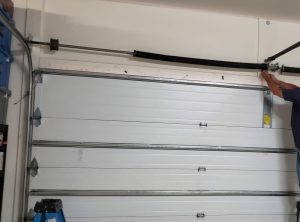
Standing in a driveway in Tucson, staring at a garage door that suddenly weighs a ton, is not how most people plan their morning. One loud snap, sometimes sharp like a gunshot, and everything changes. The car is trapped, the door won’t budge, and the big question creeps in fast. Repair or replacement. Which one actually saves money, not just today but later too.
This is where most advice online gets fuzzy. Some push repair hard. Others jump straight to replacement. Real costs sit somewhere in between, and Tucson’s heat, dust, and daily garage use make the answer less tidy than people expect.
Why Garage Door Springs Fail More Often in Tucson AZ
Garage door springs do not fail randomly, even though it feels sudden. In Tucson AZ, the desert climate plays a quiet role. High heat dries metal faster. Daily temperature swings cause expansion and contraction. Add dust settling into coils and bearings, and wear speeds up.
Most torsion springs are rated between 10000 and 20000 cycles. One cycle is one open and close. A household using the garage as a main entry can hit 1500 cycles per year. That means many springs reach end of life in 7 to 10 years, sometimes sooner in hotter regions like Tucson.
Extension springs tend to wear unevenly and fail earlier, especially on older doors still common in midtown Tucson neighborhoods.
What “Repair” Really Means With a Broken Spring
Here is something people misunderstand. A broken garage door spring cannot be repaired in the true sense. Steel does not heal. Repair usually means smaller actions around the spring system.
- Common repair type work includes
- Tightening loose hardware after partial failure
- Replacing safety cables on extension spring setups
- Balancing the door if a spring is weakened but not snapped
- Adjusting tension when the spring is still intact
If a spring has fully snapped, repair is not an option, even if some listings claim otherwise. At that point, replacement is the only mechanical solution.
In Tucson AZ, service calls labeled as spring repair often cost less upfront, but they apply only when the spring has not broken completely. This distinction matters a lot when comparing prices.
Replacement Costs in Tucson AZ Explained Plainly
Replacing a garage door spring involves removing the failed unit and installing a new one matched to door weight and height. For torsion systems, both springs are often replaced together, even if only one snapped. That part frustrates homeowners, understandably.
Labor accounts for a large part of this. Spring replacement is dangerous work. Industry injury reports repeatedly note spring related accidents among DIY attempts, especially torsion systems.
Why Replacement Often Costs Less Over Time
This is where math quietly beats instinct. Repair style fixes might cost $80 to $150 today. That feels better than a $300 replacement. But weakened springs rarely regain full lifespan.
A fatigued spring that has lost tension may fail again within 12 to 24 months. That means another service call, another labor fee, more downtime.
In Tucson AZ, where garages double as storage rooms and workshops, repeated failures become disruptive fast. Replacement resets the clock. You get full rated cycles again, not borrowed time.
Over a five year window, replacement often ends up cheaper than repeated partial fixes. It just hurts more at the first invoice.
Single Spring vs Two Spring Replacement Debate
Many Tucson homes have two torsion springs. When one breaks, the other is usually close behind. Springs installed together age together. Replacing only one saves money now, but creates imbalance.
Door manufacturers note that uneven spring tension stresses openers and tracks. This can lead to opener failure, which is far more expensive than a second spring.
That is why professionals often recommend replacing both. It is not upselling in most cases. It is risk management, though it rarely feels that way when standing at the payment counter.
When Repair Makes Sense Financially
There are situations where repair truly costs less, even long term.
- If the spring is not broken, only out of balance
- If the door is rarely used, like a storage garage
- If the door is scheduled for full replacement soon
- If the spring system is relatively new
In these cases, small adjustments or hardware fixes may buy enough time to justify the lower cost. These cases are narrower than most homeowners assume though.
When Replacement Is the Smarter Cost Choice
- Replacement tends to win financially when
- The spring has snapped cleanly
- The door is used daily or multiple times a day
- Both springs are original and over 6 years old
- The opener strains or reverses unexpectedly
In Tucson AZ, sun exposure and metal fatigue push many homes into this category faster than cooler regions. Ignoring that reality leads to repeat expenses.
Safety Costs People Forget to Count
Cost is not only dollars. A failing spring can cause doors to slam shut or fall unevenly. Injury reports from consumer safety agencies show garage doors remain a leading cause of home related injuries involving mechanical systems.
A door crashing down can damage vehicles, crack concrete edges, or injure hands and shoulders. Replacement reduces these risks far more reliably than temporary fixes.
Final Thoughts From an Editor’s Desk
From an editorial standpoint, the question is not really repair versus replacement. It is short thinking versus long thinking. In Tucson AZ, environmental stress shortens spring life. Repair can work, but only in limited windows.
Replacement costs more today, yes. But across years of use, fewer service calls, less risk, and smoother operation usually make it the cheaper path overall. The math is quiet, a little boring, but stubbornly consistent.
And sometimes, boring math is exactly what saves money.