Garage door springs are not glamorous parts. Nobody shops for them with excitement, nobody notices them when they work fine, and yet they quietly decide whether a door feels light or feels like a dead weight fighting back. When spring systems fail, the damage shows up fast. Bent tracks, burned out openers, doors that slam or refuse to move halfway. Most homeowners only learn the difference between torsion and extension springs after something breaks, usually with a loud crack that echoes longer than expected.
This comparison is not about trends or installer preferences. It is about mechanics, cost behavior over time, and why certain spring types ended up where they are today. Torsion and extension springs solve the same problem using very different physics, and those differences shape safety, lifespan, and repair bills in ways that are often misunderstood. Looking closely at both systems, side by side, clears up why one dominates modern builds while the other still survives in older garages and specific layouts.
The quiet role garage door springs actually play
A residential garage door can weigh anywhere from 130 pounds for a single steel door to well over 400 pounds for insulated double doors or wood overlays. Springs do most of that lifting, not the opener. Industry service data shows more than 85 percent of garage door lifting force comes from the spring system, not the motor. When springs fail, openers strain, tracks bend, and doors fall fast. This part gets overlooked often, maybe because it sits above eye level and never makes noise until it does.
What torsion springs are and why they sit above the door
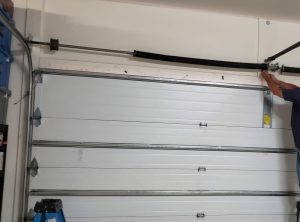
Torsion springs mount horizontally on a steel shaft above the door opening. When the door closes, the springs wind up. When the door opens, they unwind and release stored torque. The motion is controlled and centered, which matters more than people think.
A torsion spring is a type of mechanical spring that works by exerting torque or twisting force when it is twisted along its axis. The spring is made of wire that is wound in a spiral shape, with the ends of the wire attached to a stationary point on one end and a rotating point on the other end.
https://www.leespring.com/learn-about-torsion-springs
From a mechanical standpoint, torsion systems distribute load evenly across the shaft and cables. This is why they dominate newer construction. According to North American door manufacturing data, over 70 percent of newly installed residential garage doors now use torsion systems. That shift happened steadily over the last two decades.
Torsion springs also allow finer balancing. Technicians can add or subtract quarter turns to dial in door weight. That precision helps reduce opener wear over time, even if homeowners never notice it.
Extension springs explained
Extension springs stretch along the horizontal tracks on both sides of the door. When the door closes, the springs stretch. When it opens, they contract and pull the door upward using pulleys and cables.
They are mechanically simpler and cheaper to manufacture. That is the honest reason they still exist. You see them most often on older doors, detached garages, or low clearance setups where torsion hardware cannot fit.
There is one important detail that gets missed. Extension springs store energy linearly, not rotationally. When one breaks, the release can be sudden. Safety cables are now standard because of injury data collected in the 1990s showing spring fragments traveling across garages at dangerous speeds. Modern codes addressed this, but older installs still show up without cables.
Cost differences
Spring pricing varies by door weight, cycle rating, and regional labor costs, but general ranges are stable across markets.
Extension spring replacement typically lands between $150 and $300 for a pair, including labor in many U.S. metros. Torsion spring replacement more often falls between $250 and $450, sometimes higher for heavy or high cycle systems.
Why the gap exists is simple. Torsion springs use hardened steel coils, precision winding, and solid shafts. Labor time is also longer, since balancing requires measured turns rather than hook adjustments.
Cycle life matters too. Standard extension springs are often rated around 10,000 cycles. Torsion springs are commonly rated at 15,000 to 20,000 cycles, with high cycle versions exceeding 30,000. For an average household opening the door four times a day, that difference can mean years of extra service life.
When torsion springs make more sense
Torsion springs are the better choice for heavier doors, doors wider than 9 feet, and doors used frequently. If the garage is the main entry point to the home, cycle count climbs fast. Data from housing studies shows many families open their garage door more than front doors on weekdays. In those cases, torsion systems age more gracefully.
They are also safer during failure. When a torsion spring breaks, it usually stays on the shaft. There is a loud crack, yes, but less projectile risk. That alone has pushed builders and insurers toward torsion setups over time.
Noise is another factor people notice later. Torsion systems tend to run quieter because the lift is balanced across a shaft instead of through pulleys that wear unevenly.
Situations where extension springs still get used
Extension springs are not wrong by default. They are practical in low headroom garages where there is not enough vertical space above the door for a torsion shaft. Some older masonry garages simply cannot be modified easily.
They are also cheaper to install for lightweight single doors that see occasional use. A detached garage storing lawn equipment does not need a high cycle torsion system, even if installers sometimes push it.
One thing that matters is symmetry. Extension systems rely on two springs working together. If one weakens faster than the other, doors lift crooked. That misalignment causes track wear, something technicians see often during service calls.
Maintenance differences
Torsion springs require less frequent adjustment. Once balanced, they hold tension consistently. Extension springs stretch and relax over time, especially in colder climates. Seasonal changes affect them more than torsion systems.
Lubrication also behaves differently. Torsion springs benefit from light oiling to reduce coil friction. Extension springs mainly stress pulleys and hooks, which wear mechanically rather than through friction alone.
Service records from large regional door companies show extension systems generate more repeat calls for noise and uneven lifting, even when springs have not failed fully.
Safety considerations
Spring failures account for a significant portion of garage door injuries reported in consumer safety summaries. While exact percentages vary year to year, spring related incidents consistently rank among the top mechanical causes.
Torsion systems limit the direction of stored energy. Extension systems require safety cables to do the same job. When those cables are missing or improperly installed, risk rises sharply. Many older garages still operate that way, quietly, until something goes wrong.
Choosing between torsion and extension without guessing
The right choice depends on door weight, available space, frequency of use, and tolerance for future maintenance. Cost matters, but it should not be the only factor. Spending less upfront can lead to more frequent repairs, misaligned doors, and opener strain later.
Builders increasingly default to torsion systems for a reason. They behave predictably over time. Extension systems remain a functional option in specific setups, not a universal one.
Understanding the difference helps homeowners ask better questions, and that alone prevents bad installs. Springs may be hidden hardware, but they decide how safely and smoothly the largest moving object in most homes actually behaves.